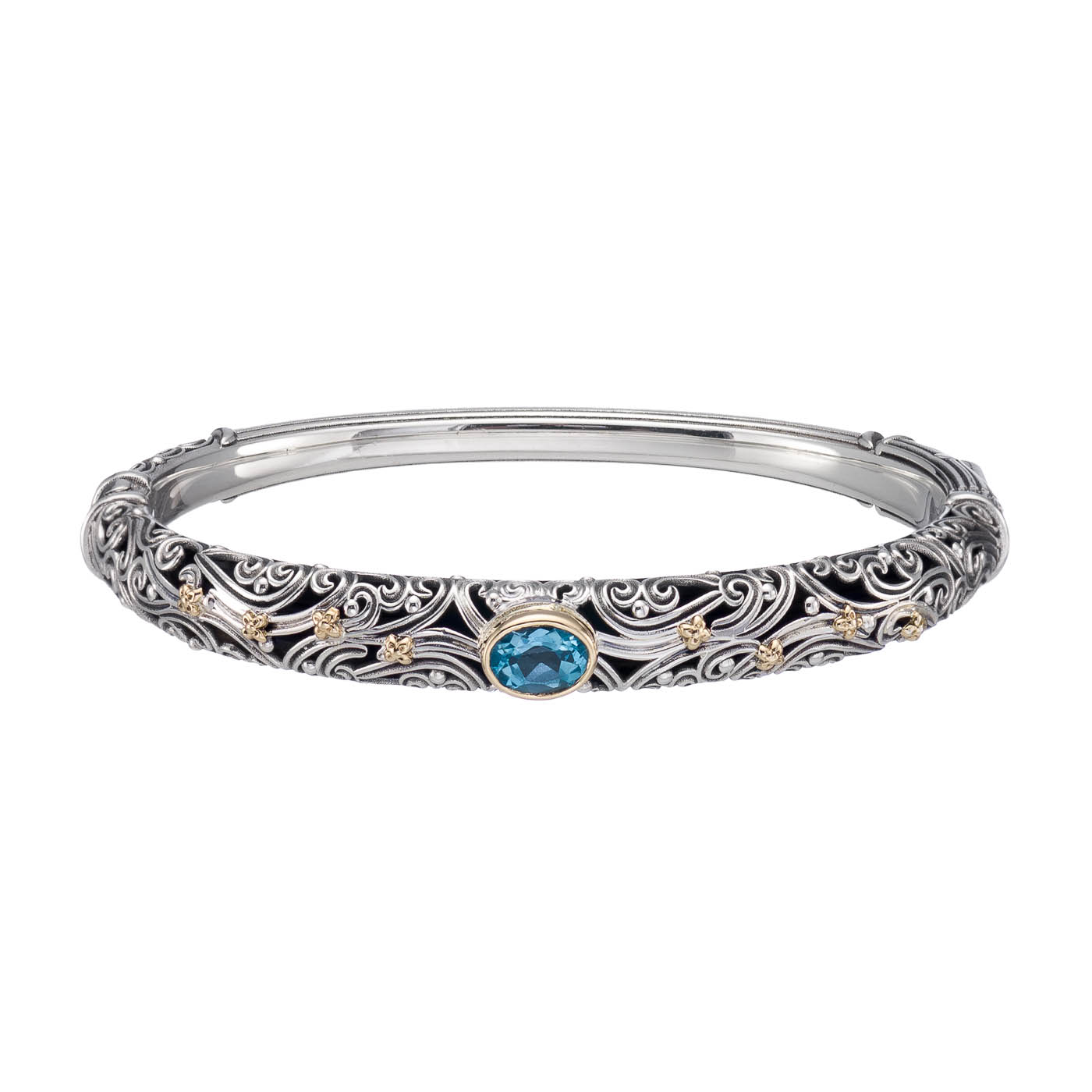
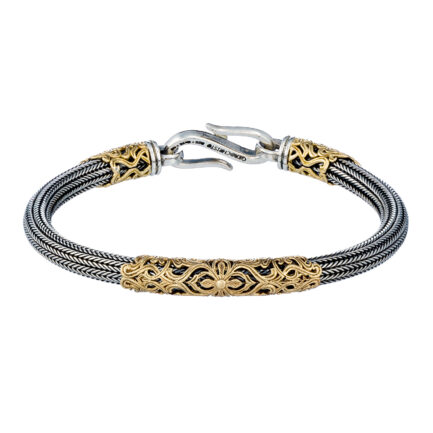
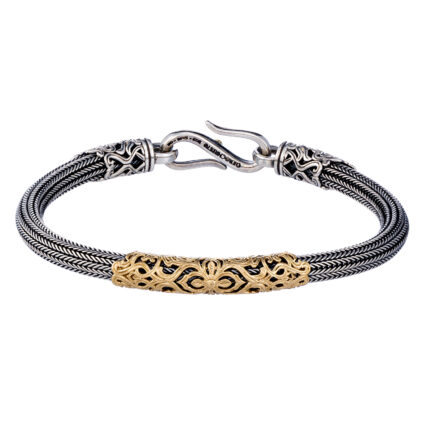
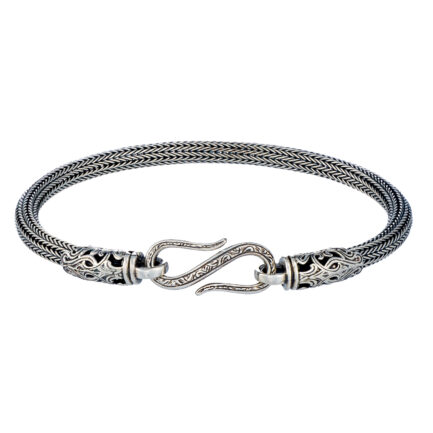
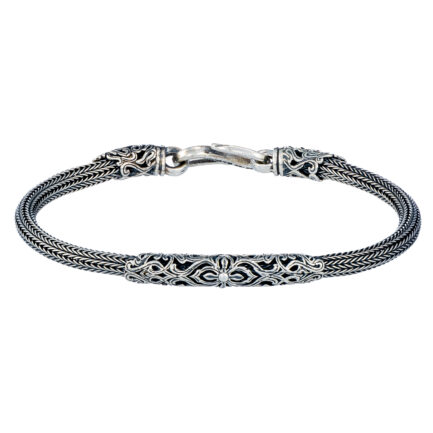
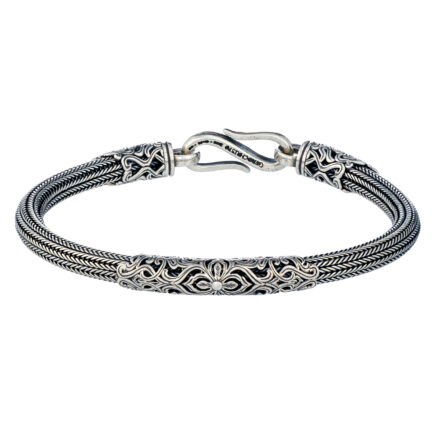
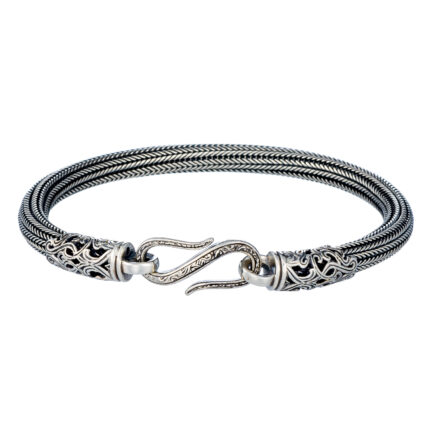
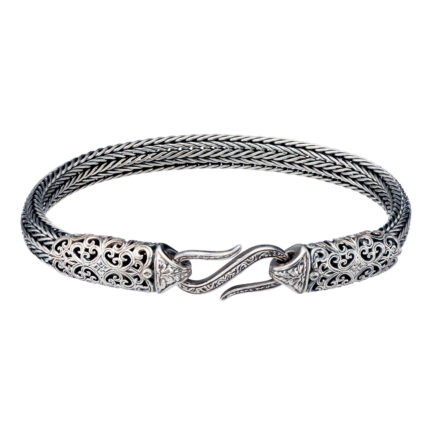
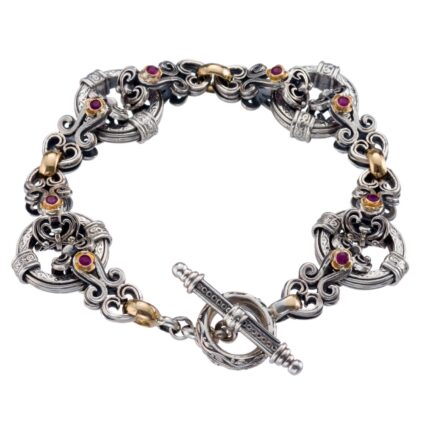
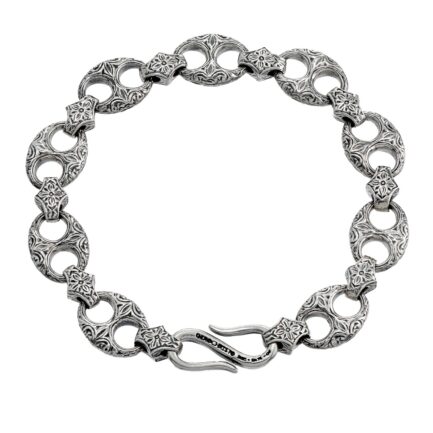
People love to wear handcrafted bracelets because they offer a unique, personal touch that mass-produced jewelry often lacks. Each piece is crafted with care, reflecting the artisan’s skill and creativity, making it a wearable work of art. Handcrafted bracelets often carry a story or meaning through the design’s choice of materials, symbols, or cultural significance.
No two pieces are identical, allowing individuals to express their personalities and values. Many appreciate the connection to sustainability and ethical production, knowing their bracelet supports small artisans and traditional crafts. The craftsmanship, authenticity, and personal connection inherent in handcrafted bracelets make them not just accessories but cherished pieces of wearable art that resonate on a deeper level with the wearer.
The Seductive Beauty of Handcrafted Bracelets encapsulates the allure these timeless accessories hold over us. Bracelets, with their intricate designs and diverse forms, draw us in with their ability to enhance our natural beauty effortlessly. Whether it’s the gentle jingle of bangles or the subtle sparkle of a tennis bracelet, they capture attention and reflect light in ways that mesmerize.
Each bracelet tells a story—whether it’s the personal charm of a handcrafted piece, the elegant simplicity of a gold chain, or the cultural significance embedded in a beaded bracelet. They invite us to express ourselves, to adorn our wrists with symbols of love, friendship, or personal milestones. The tactile nature of bracelets, as they rest against the skin, makes them feel like an intimate part of our identity.
Their beauty lies in their appearance and ability to connect us to memories, cultures, and emotions, making bracelets, accessories, and powerful statements of who we are.
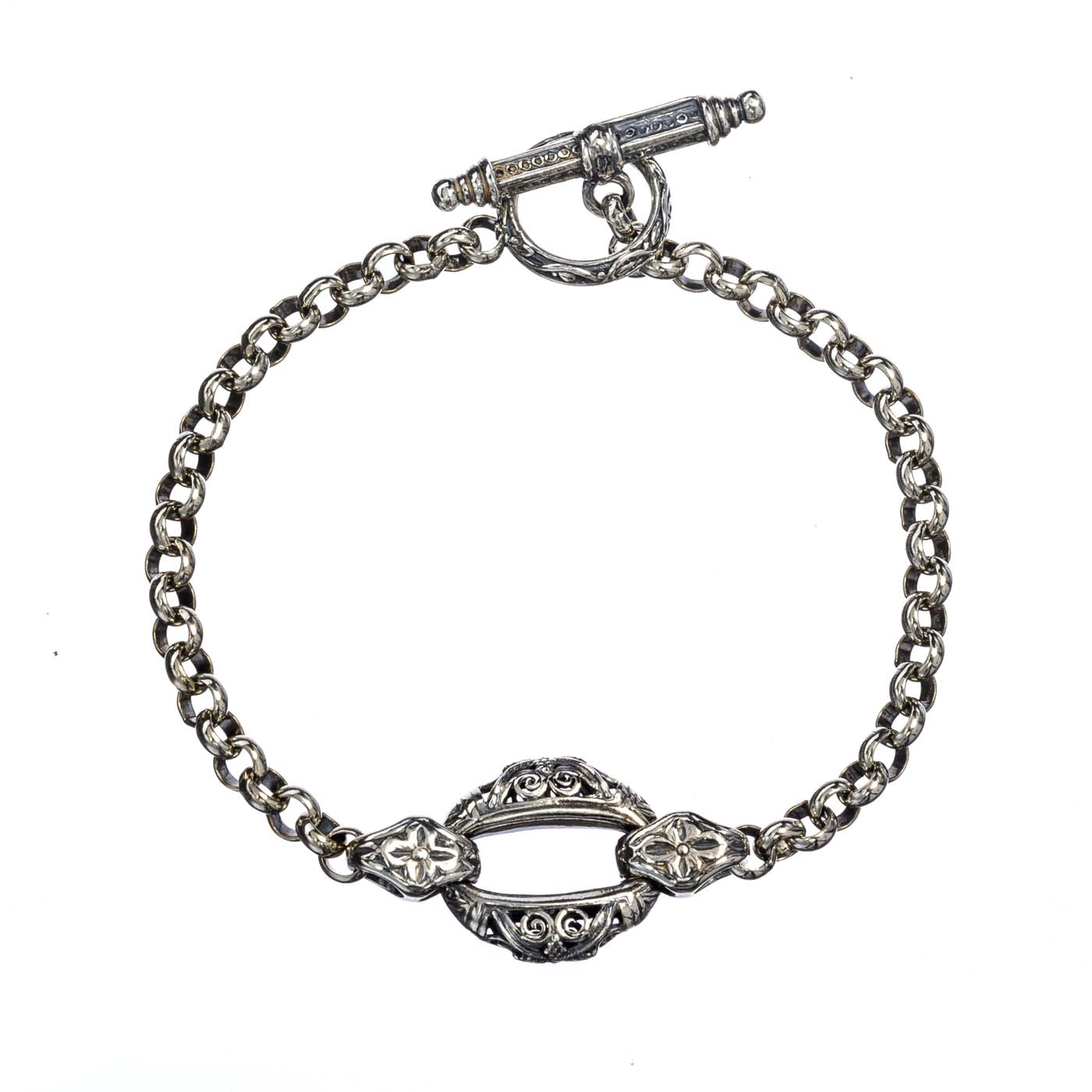
Each type of bracelet carries its fashion statement, reflecting different styles, personalities, and occasions. Here’s an overview of the fashion statement associated with each of the leading bracelet types:
Each bracelet type not only complements different outfits but also conveys distinct messages about the wearer’s personality and style preferences. Whether you prefer a minimalist look or something more extravagant, there’s a bracelet type that aligns with your fashion statement.
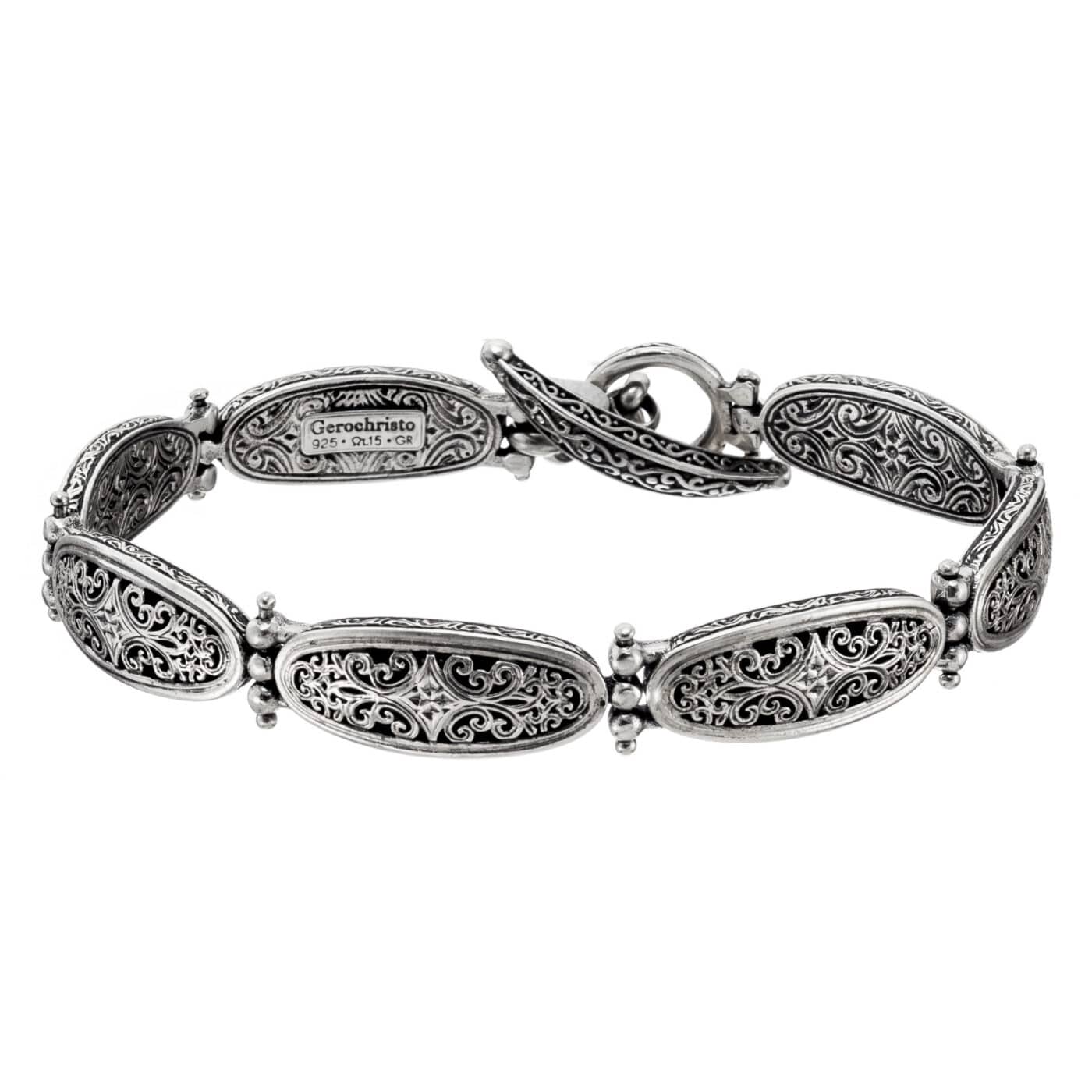
The history of bracelets is a journey that spans thousands of years, reflecting the cultural, social, and artistic evolution of humanity. From the earliest bracelets made of bones, shells, and stones in prehistoric times to the sophisticated metalwork of ancient Egypt, Mesopotamia, and Rome, bracelets have always held symbolic significance—whether as amulets, status symbols, or representations of protection and immortality. During the Middle Ages, bracelets were more subdued in Europe due to modesty standards, but they flourished in Asia, particularly in India and China, where they symbolized prosperity, health, and good fortune.
In the Renaissance, bracelets re-emerged as symbols of refinement and elegance, and by the 19th and 20th centuries, they became deeply personal, often featuring sentimental elements like lockets or engraved messages. The 20th century introduced new materials and styles, making bracelets accessible to a broader audience, and today, they continue to be worn worldwide as versatile fashion statements, cultural markers, and expressions of identity. Throughout history, bracelets have remained a beloved and enduring form of adornment, reflecting the diversity and creativity of human culture.
Did you know that the origin of the term ‘bracelet’ is from the Greek brachile meaning ‘of the arm’, via the Old French bracel. A bracelet is also a small brace or bracer (an arm-guard used by archers)?